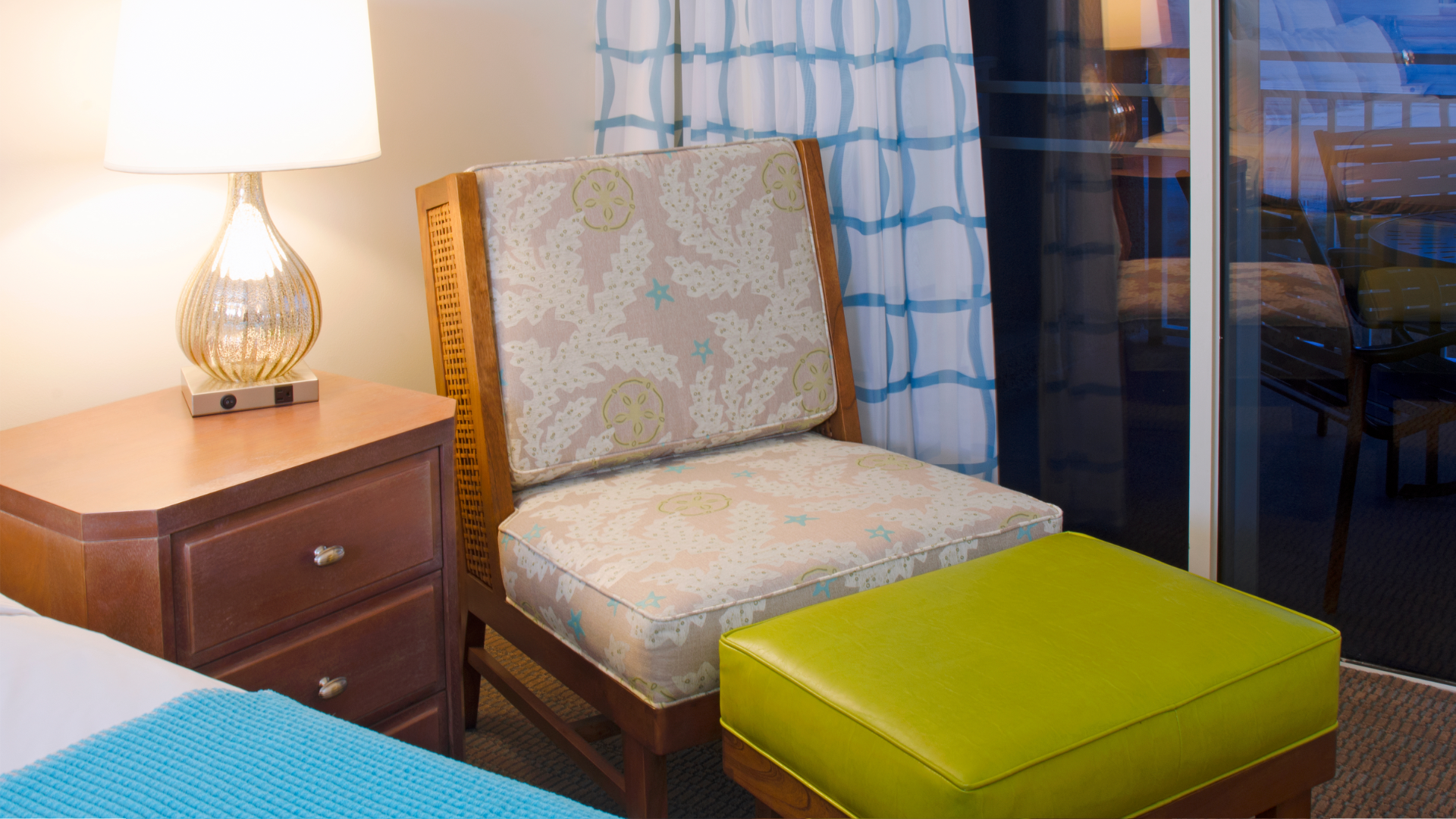
Tag: Ottoman Empire Last

  • Modern Leather Ottoman: Sleek and Practical Addition

    Modern Leather Ottoman: Sleek and Practical Addition

    Modern Leather Ottoman

    Modern leather ottomans are a stylish and functional addition to any living space. These versatile pieces can be used as a footrest, extra seating, or even as a coffee table with the addition of a tray. With a range of styles, colors, and sizes available, there is a modern leather ottoman to suit any decor.

    One of the benefits of modern leather ottomans is their durability. Leather is a strong and long-lasting material that can withstand everyday wear and tear. It is also easy to clean and maintain, making it a practical choice for households with children or pets. Additionally, leather ottomans can add a touch of sophistication and luxury to a room.

    Whether you prefer a sleek and minimalist design or a more traditional look, there is a modern leather ottoman to match your style. From tufted leather to geometric shapes, there are endless options to choose from. With their versatility, durability, and style, modern leather ottomans are a popular choice for any home.

    History of the Leather Ottoman

    The ottoman has a long and rich history dating back to the Ottoman Empire in the 18th century. The first ottomans were made of wood and were used as footstools or low seats. They were often piled high with cushions and used as the main seating in homes.

    As the design of the ottoman evolved, it became a more functional piece of furniture. In the late 19th century, ottomans were often used as storage containers. The seat would have hinges and a lid for the inside hollow, which could be used for storing linen, magazines, or other items.

    Leather ottomans became popular in the mid-20th century. The smooth, sleek texture of leather made it a perfect material for modern interiors. Leather ottomans are often used as a statement piece in a room, adding a touch of sophistication and luxury.

    Today, modern leather ottomans come in a variety of shapes, sizes, and colors. They are often used as a footrest, extra seating, or as a coffee table. Some leather ottomans even come with built-in storage, making them a practical addition to any living space.

    In summary, the history of the leather ottoman dates back to the Ottoman Empire and has evolved into a functional and stylish piece of furniture in modern interiors.

    Types of Modern Leather Ottomans

    When it comes to modern leather ottomans, there are several types to choose from. Each type has its own unique features and benefits. In this section, we will discuss the most popular types of modern leather ottomans.

    Storage Ottomans

    Storage ottomans are a popular choice for those who want to maximize their storage space. These ottomans come with a hidden compartment that can be used to store blankets, pillows, or other items. They are perfect for small apartments or homes where space is limited. Some storage ottomans even come with a removable lid that can be used as a tray.

    Tufted Ottomans

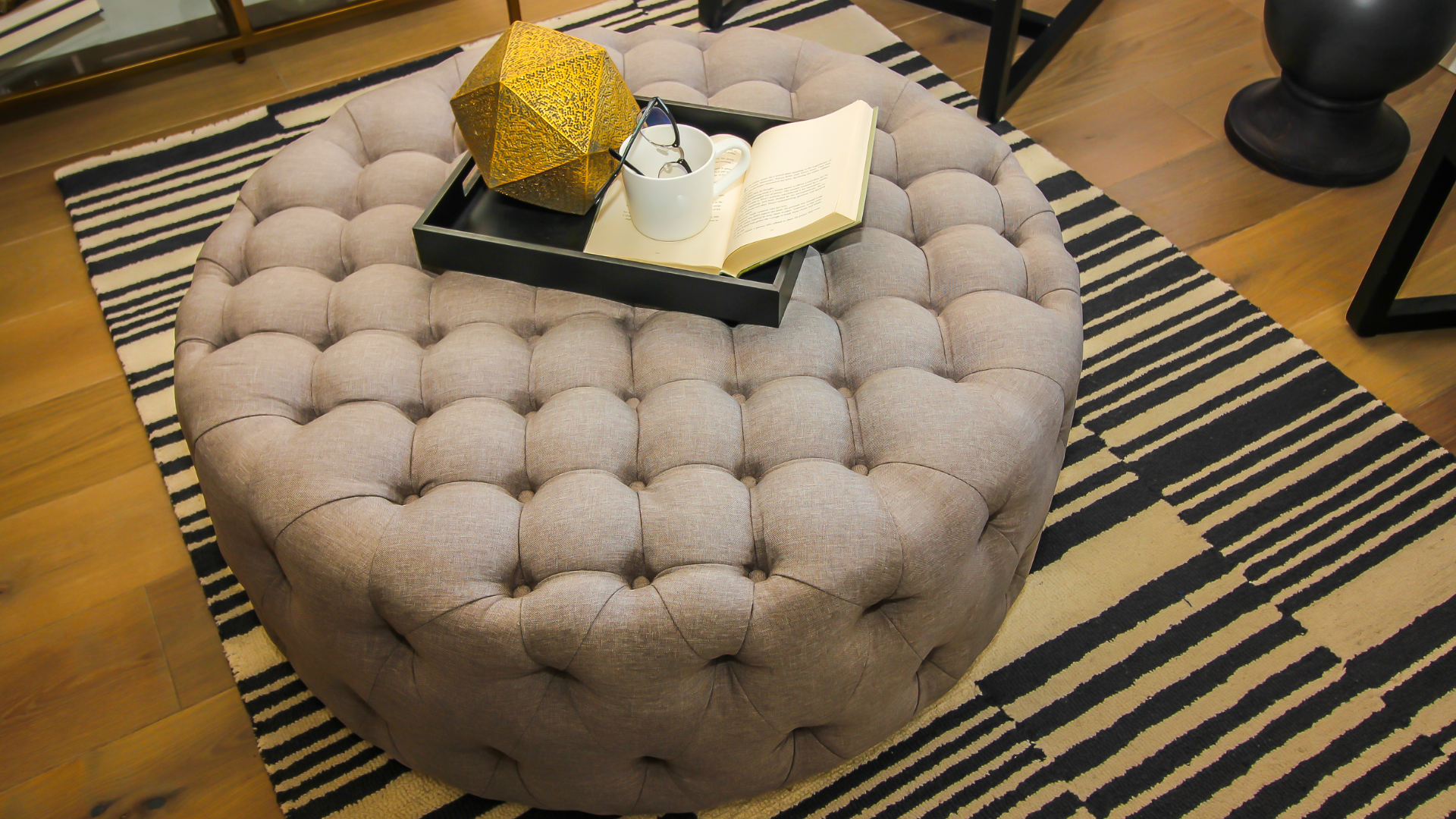
    Tufted ottomans are a classic choice for those who want to add a touch of elegance to their living room. These ottomans have a button-tufted design that gives them a luxurious look and feel. They are available in a variety of colors and sizes, making them a versatile choice for any home.

    Cocktail Ottomans

    Cocktail ottomans are a great choice for those who like to entertain guests. These ottomans are larger than traditional ottomans and can be used as a coffee table or extra seating. They come in a variety of shapes and sizes, making them a versatile choice for any living room.

    Pouf Ottomans

    Pouf ottomans are a fun and trendy choice for those who want to add a pop of color to their living room. These ottomans are smaller than traditional ottomans and can be used as extra seating or as a footrest. They come in a variety of colors and patterns, making them a great choice for any home.

    In conclusion, there are several types of modern leather ottomans to choose from. Whether you are looking for extra storage space, a touch of elegance, or a fun and trendy piece, there is an ottoman out there for you.

    Materials and Craftsmanship

    Leather Quality and Sources

    When it comes to modern leather ottomans, the quality of the leather used is crucial to the overall look and feel of the piece. High-quality leather is durable, soft, and has a unique texture that adds character to the ottoman.

    Manufacturers source leather from different places, including cowhide, sheepskin, and goatskin. Cowhide is the most commonly used leather for modern leather ottomans because it is durable and has a natural texture that looks great in modern designs. Sheepskin and goatskin are also used, but they are less common.

    Some manufacturers use top-grain leather, which is the highest quality leather available. Top-grain leather is made from the outermost layer of the hide and is the most durable and softest type of leather. Other manufacturers use split-grain leather, which is made from the lower layers of the hide and is less durable and less soft than top-grain leather.

    Construction Techniques

    The quality of the craftsmanship used to make a modern leather ottoman is just as important as the quality of the leather used. The construction techniques used can affect the durability, comfort, and overall look of the ottoman.

    One important construction technique is the frame of the ottoman. The frame should be made of solid wood or metal to ensure stability and durability. The joints of the frame should be reinforced with glue, screws, or dowels to prevent the ottoman from wobbling or falling apart over time.

    The padding used in the ottoman is also important. High-density foam padding is commonly used in modern leather ottomans because it is comfortable and retains its shape over time. Some manufacturers also use down or feather padding, which is softer but may require fluffing to maintain its shape.

    Finally, the stitching used to assemble the leather pieces is crucial to the overall look and durability of the ottoman. Double-stitching is commonly used to reinforce the seams and prevent them from unraveling over time. The stitching should be even and straight to ensure a clean and polished look.

    Contemporary

    Contemporary leather ottomans are characterized by clean lines, minimalistic designs, and neutral colors. These ottomans often feature sleek metal or wooden legs and are designed to fit seamlessly into modern interiors. Many contemporary leather ottomans also feature multifunctional designs, such as hidden storage compartments or convertible tops that can be used as serving trays.

    Mid-Century Modern

    Mid-century modern leather ottomans are inspired by the design styles of the 1950s and 1960s. These ottomans feature simple, geometric designs and are often upholstered in bold colors or patterns. Many mid-century modern leather ottomans also feature tapered wooden legs and organic shapes that reflect the natural world.

    Industrial

    Industrial leather ottomans are characterized by their rugged, utilitarian designs and raw materials. These ottomans often feature distressed leather upholstery, exposed metal frames, and utilitarian details such as buckles or rivets. Industrial leather ottomans are designed to add an edgy, urban feel to any interior.

    Overall, modern leather ottomans come in a variety of styles and designs to suit any interior. Whether you are looking for a sleek and contemporary design or a rugged and industrial look, there is a leather ottoman to suit your style.

    Choosing the Right Modern Leather Ottoman

    When it comes to choosing a modern leather ottoman, there are a few key factors to consider. From size and proportion to color and finish, each decision will impact the overall look and feel of the piece. Additionally, functionality and versatility are important considerations, as the ottoman may serve as a footrest, extra seating, or even storage.

    Size and Proportion

    The size and proportion of the modern leather ottoman will largely depend on the intended use and placement within the room. A larger ottoman can serve as a centerpiece of the space, while a smaller one may be better suited for use as a footrest or accent piece. It’s important to consider the scale of the surrounding furniture and ensure that the ottoman fits in proportionally.

    Color and Finish

    Modern leather ottomans come in a variety of colors and finishes, from classic neutrals to bold hues. When selecting a color, it’s important to consider the overall color scheme of the room and how the ottoman will fit in. A neutral color can blend seamlessly into the space, while a bold color can add a pop of interest. Additionally, the finish of the leather can impact the overall aesthetic, with options ranging from matte to glossy.

    Functionality and Versatility

    In addition to serving as a footrest or extra seating, modern leather ottomans can also offer additional functionality and versatility. Some ottomans come with built-in storage, allowing for easy organization and decluttering. Others may have a tray top, providing a sturdy surface for drinks and snacks. When selecting a modern leather ottoman, it’s important to consider how it will be used and what additional functionality may be desired.

    Overall, choosing the right modern leather ottoman requires careful consideration of size and proportion, color and finish, and functionality and versatility. By taking these factors into account, it’s possible to select a piece that not only looks great, but also serves a practical purpose within the space.

    Care and Maintenance of Leather Ottomans

    Leather ottomans are a great addition to any modern living space. They are not only stylish but also durable and comfortable. However, to ensure that they maintain their beauty and functionality, proper care and maintenance are necessary.

    Cleaning

    Cleaning is an essential aspect of leather ottoman care. It is recommended to clean spills and stains immediately to prevent them from setting into the leather. A soft cloth or an unused toothbrush and a mixture of lukewarm water and a mild soap solution can be used for cleaning. Be sure to avoid any heavy scrubbing or rubbing motions. Dampen another cloth with water and gently wipe away any soap residue.

    For tough stains, a 50/50 solution of vinegar and water can be used to clean leather ottomans. Apply the cleaning solution to a clean cloth and gently wipe the surface, paying attention to any stains or marks. Rinse the cloth and repeat the process until the stain is removed. Allow the ottoman to air dry.

    Conditioning

    Leather can dry out and crack over time, especially if it is exposed to direct sunlight or heat. Conditioning helps to keep the leather soft and supple. A leather-specific conditioner can be applied to the surface of the ottoman with a soft cloth. Be sure to follow the manufacturer’s instructions for best results.

    Protection

    Protecting leather ottomans from direct sunlight, heat, and moisture is crucial to prevent damage. It is recommended to keep them away from windows and heating vents. Covering them with a cloth when not in use can also help to protect them from dust and other debris.

    In conclusion, with proper care and maintenance, leather ottomans can last for many years while maintaining their beauty and functionality. Regular cleaning, conditioning, and protection can help to keep them looking their best.

    Sustainability and Ethical Considerations

    When it comes to purchasing a modern leather ottoman, sustainability and ethical considerations are important factors to consider.

    Firstly, it is important to consider the materials used in the production of the ottoman. Opting for leather that is vegetable-tanned is a more sustainable choice as it is a more environmentally friendly process that uses natural tannins instead of harmful chemicals. Additionally, leather that is sourced from animals that have been treated humanely is a more ethical choice.

    It is also important to consider the production process of the ottoman. Choosing a manufacturer that prioritizes sustainability and ethical practices, such as using renewable energy sources and ensuring fair labor practices, is a more responsible choice.

    When it comes to the end of the ottoman’s life cycle, it is important to consider the environmental impact of disposal. Opting for a manufacturer that utilizes eco-friendly materials and production methods can help reduce the impact on the environment.

    By considering these sustainability and ethical factors when purchasing a modern leather ottoman, consumers can make a more responsible and conscious choice for both themselves and the environment.

    Innovations in Ottoman Design

    In recent years, the design of ottomans has undergone significant innovation. With advancements in technology and materials, ottomans are becoming more versatile and functional than ever before.

    One of the most notable innovations in ottoman design is the integration of technology. Many modern ottomans come with built-in charging stations, allowing people to charge their devices while relaxing. Some ottomans even have Bluetooth speakers integrated into them, making them perfect for music lovers.

    Another area of innovation in ottoman design is sustainability. Many manufacturers are now using eco-friendly materials such as recycled leather and bamboo to create their ottomans. These materials not only reduce waste but also provide a unique look and feel to the ottomans.

    Moreover, the design of ottomans has become more versatile and functional. Ottomans are no longer just used for seating, but also as storage units. Many modern ottomans come with hidden storage compartments, making them perfect for small spaces.

    In conclusion, modern innovations in ottoman design have made them more versatile, functional, and sustainable. With the integration of technology and eco-friendly materials, the design of ottomans has evolved to meet the needs of modern consumers.

    Integrating Ottomans into Interior Spaces

    Ottomans are versatile pieces of furniture that can be integrated into any interior space. They can serve as footrests, coffee tables, or additional seating. With their stylish design and functionality, they can add an extra layer of comfort and sophistication to any room.

    When choosing an ottoman for an interior space, it is important to consider the size, shape, and material. A modern leather ottoman is a popular choice for many interior designers due to its durability, comfort, and aesthetic appeal. Leather is a timeless material that can complement any interior style, from traditional to contemporary.

    In the living room, an ottoman can be used as a coffee table or footrest. It can also serve as additional seating when needed. A leather ottoman can add a touch of luxury to the room and create a cozy atmosphere.

    In the bedroom, an ottoman can be placed at the foot of the bed to serve as a storage space or a place to sit while getting dressed. A leather ottoman can add a touch of elegance to the room and create a relaxing ambiance.

    In the home office, an ottoman can be used as a footrest or an extra seat for guests. A leather ottoman can add a touch of sophistication to the room and create a comfortable working environment.

    Overall, integrating an ottoman into an interior space can add functionality and style to any room. A modern leather ottoman is a versatile and timeless piece of furniture that can complement any interior style.

    Frequently Asked Questions

    How can I maintain the appearance and durability of a leather ottoman?

    To maintain the appearance and durability of a leather ottoman, it is important to keep it clean and conditioned. Regularly dusting and wiping down the leather with a soft cloth can help prevent scratches and stains. Additionally, applying a leather conditioner every six months or so can help keep the leather supple and prevent cracking.

    What are the best materials to consider when looking for a high-quality modern ottoman?

    When looking for a high-quality modern ottoman, it is important to consider the materials used in its construction. Leather is a popular choice due to its durability and timeless style, but other materials such as velvet, linen, and wool can also add texture and interest to a space.

    Are there versatile designs of leather ottomans that can serve as both seating and storage solutions?

    Yes, there are many versatile designs of leather ottomans that can serve as both seating and storage solutions. Some ottomans feature built-in storage compartments, while others have removable lids that reveal a storage space inside. These ottomans are perfect for small spaces or for those who want to maximize their storage options.

    What are the advantages of choosing a round leather ottoman over a rectangular one for a modern living space?

    Choosing a round leather ottoman over a rectangular one can have several advantages in a modern living space. Round ottomans can add a softness and fluidity to a room that rectangular ottomans may lack. They can also help to break up the angular lines of other furniture pieces and create a more balanced and cohesive look.

    How do I choose the right size ottoman for my room to maintain a balanced look?

    When choosing the right size ottoman for a room, it is important to consider the scale of the other furniture pieces in the space. A general rule of thumb is to choose an ottoman that is roughly the same height as the surrounding seating, and no more than two-thirds the length of the sofa or chair it is paired with. This will help maintain a balanced look in the room.

    The latest trends in modern ottoman design and functionality include multi-functional pieces that serve as both seating and storage solutions, ottomans with built-in charging ports and other tech features, and ottomans with unique shapes and materials such as faux fur or woven rope. Additionally, many modern ottomans feature bold colors and patterns that can add a pop of personality to a space.
  • How Long Did the Ottoman Empire Last?

    How Long Did the Ottoman Empire Last?

    How Long Did the Ottoman Empire Last

    The Ottoman Empire was one of the most powerful empires in history, spanning three continents and lasting for centuries. It was founded in 1299 by Osman I, and at its height, it controlled much of southeastern Europe, western Asia, and northern Africa. The empire was known for its military prowess, as well as its cultural and economic achievements.

    One of the most common questions about the Ottoman Empire is how long it lasted. The answer to this question is not straightforward, as the empire underwent many changes over the centuries. However, the general consensus among historians is that the Ottoman Empire lasted from 1299 to 1922. This means that the empire lasted for over six centuries, making it one of the longest-lasting empires in history.

    Historical Context

    The Ottoman Empire was founded by Osman I in 1299 in what is now Turkey. The empire was established after the fall of the Seljuk Sultanate of Rum, which was one of the Anatolian beyliks (smaller Turkish states).

    At its peak, the Ottoman Empire was one of the most powerful empires in the world, spanning three continents and controlling much of southeastern Europe, western Asia, and northern Africa. The empire was ruled by a sultan, who was considered to be the political and religious leader of the empire.

    The Ottomans were known for their military prowess, and their army was one of the most feared in the world. The empire’s military campaigns were often successful, and the Ottomans were able to expand their territory and influence throughout the centuries.

    The empire lasted for over 600 years, from its founding in 1299 to its collapse in 1922 after World War I. The decline of the empire began in the 18th century, when the Ottomans began to lose territory and power to other European powers such as Russia and Austria. The empire was also plagued by internal problems such as corruption, economic decline, and social unrest.

    Despite its eventual decline, the Ottoman Empire had a profound impact on the world, shaping the history and culture of the Middle East, Europe, and Africa.

    Foundation of the Ottoman Empire

    The Ottoman Empire was founded by a prince named Osman, who established a small beylik (principality) in northwestern Anatolia around 1299 CE. The origins of the Ottomans are shrouded in myth and legend, but most historians agree that they were a Turkish tribe that migrated to Anatolia from Central Asia in the 11th century.

    Origins and Early Expansion

    The Ottomans began as a small, obscure tribe in Anatolia, but they quickly began to expand their territory through a combination of military conquest and strategic alliances. By the mid-14th century, they had captured the city of Bursa and established a firm foothold in the region.

    Under the leadership of Osman’s son Orhan, the Ottomans continued to expand their territory, conquering much of western Anatolia and parts of southeastern Europe. By the end of the 14th century, they had established a powerful empire that spanned three continents.

    Osman I’s Leadership

    Osman I is credited with founding the Ottoman Empire and laying the foundations for its early expansion. He was a charismatic leader who was able to unite the various Turkish tribes in Anatolia under his banner.

    Osman was also a skilled military strategist who was able to defeat much larger and more powerful armies through a combination of superior tactics and technology. He was known for his bravery and his ability to inspire his troops, and he was revered as a hero by his people.

    Overall, the foundation of the Ottoman Empire was built on the leadership of Osman I and his successors, who were able to unite the Turkish tribes of Anatolia and create a powerful empire that lasted for over six centuries.

    Duration and Timeline

    The Ottoman Empire lasted for over 600 years, from its establishment in 1299 to its dissolution in 1922. The empire was founded by Osman I, and its early years were marked by expansion and consolidation of power.

    Rise to Power

    Under the leadership of Osman I, the Ottoman Empire grew rapidly, conquering much of Anatolia and the Balkans. The empire continued to expand under subsequent rulers, including Mehmed II, who captured Constantinople in 1453, and Suleiman the Magnificent, who oversaw a period of great cultural and economic growth.

    Periods of Greatness

    The Ottoman Empire reached the height of its power in the 16th and 17th centuries, when it controlled much of southeastern Europe, western Asia, and northern Africa. During this period, the empire was a major cultural and economic center, known for its architecture, literature, and trade.

    Decline and Fall

    The Ottoman Empire began to decline in the 18th century, as it faced increasing pressure from European powers and internal political and economic challenges. The empire lost much of its territory in Europe during the 19th century, and by the early 20th century it was known as the “sick man of Europe.” The empire was dissolved in 1922, following the end of World War I and the rise of Turkish nationalism.

    Overall, the Ottoman Empire lasted for over six centuries, and its rise and fall had a significant impact on the history of the region and the world.

    Major Milestones

    Conquest of Constantinople

    In 1453, the Ottomans under Sultan Mehmed II conquered Constantinople, the capital of the Byzantine Empire. This event marked the end of the Roman Empire and the beginning of the Ottoman Empire. The Ottomans renamed the city Istanbul and made it their capital. The conquest of Constantinople was a major milestone in Ottoman history because it gave the Ottomans control over the Bosporus Strait, which connected the Black Sea to the Mediterranean. This allowed them to control trade routes and expand their empire.

    Battle of Lepanto

    In 1571, the Ottoman Empire suffered a major defeat at the Battle of Lepanto. The Ottomans had been expanding their empire into the Mediterranean and had become a major naval power. However, a coalition of European powers, led by Spain, defeated the Ottoman fleet. The Battle of Lepanto was a major milestone in Ottoman history because it marked the beginning of the decline of the Ottoman navy and the end of Ottoman expansion in the Mediterranean.

    Treaty of Karlowitz

    In 1699, the Ottoman Empire signed the Treaty of Karlowitz with the Holy League, a coalition of European powers. This treaty marked the end of Ottoman expansion in Europe. The Ottomans lost significant territory in Hungary, Croatia, and Transylvania. The Treaty of Karlowitz was a major milestone in Ottoman history because it marked the beginning of the decline of the Ottoman Empire. The Ottomans were no longer able to expand their empire and were forced to focus on maintaining what they already had.

    Cultural and Scientific Contributions

    The Ottoman Empire was a melting pot of cultures and religions, which led to a rich and diverse cultural heritage. Ottoman art and architecture blended Islamic, Byzantine, and European styles, resulting in unique and striking designs. The empire was also renowned for its literature, music, and cuisine.

    In terms of science and technology, the Ottoman Empire made significant contributions during its 600-year existence. Ottoman scientists excelled in fields such as mathematics, astronomy, and medicine. They built observatories, developed new medical treatments, and made groundbreaking discoveries in the field of optics.

    One of the most notable scientific contributions of the Ottoman Empire was the work of Taqi al-Din, who was a renowned astronomer and engineer. He designed and built one of the most advanced observatories of his time, which was used to make important astronomical observations and calculations.

    The Ottoman Empire also played a significant role in the development of Islamic art and architecture. The empire’s mosques, palaces, and public buildings were decorated with intricate calligraphy, geometric patterns, and floral motifs. These designs were often inspired by the natural world and reflected the Ottoman’s deep respect for nature.

    Overall, the cultural and scientific contributions of the Ottoman Empire had a lasting impact on the world. The empire’s art, architecture, and scientific achievements continue to inspire and influence artists and scientists today.

    Economic Structure

    The Ottoman Empire had a complex economic structure that evolved over time. Initially, the economy was based on agriculture, with a significant portion of the population working in farming and animal husbandry. However, as the empire expanded, trade became increasingly important, and the Ottomans developed a network of trade routes that connected Europe, Asia, and Africa.

    The Ottomans also established a system of guilds, called esnafs, which regulated the production and sale of goods. Each guild was responsible for a particular craft or trade, and members of the guilds were required to follow strict rules and regulations. This system helped to ensure quality control and prevent price gouging.

    During the 19th century, the Ottoman Empire began to modernize its economy, with the establishment of banks, factories, and other industrial enterprises. The Ottoman Bank, founded in 1856, played a crucial role in the development of the Ottoman economy, providing loans and other financial services to businesses and individuals.

    Despite these efforts, the Ottoman economy struggled to keep pace with the rapidly changing global economy. By the early 20th century, the Ottoman Empire was facing significant economic challenges, including high levels of debt, inflation, and unemployment. These economic problems, combined with political instability and military defeats, contributed to the eventual collapse of the Ottoman Empire in 1922.

    Military Structure and Warfare

    The Ottoman Empire had a well-organized military structure that was divided into two main branches: the standing army and the irregular forces. The standing army was made up of the Sultan’s household troops and was the backbone of the Ottoman military. The irregular forces, on the other hand, were made up of volunteers and were used to supplement the standing army during times of war.

    The Ottoman military was known for its use of gunpowder weapons, which gave it an advantage over its enemies. The Janissaries, who were the elite infantry of the Ottoman Empire, were known for their use of muskets and were feared by their enemies. The Ottoman military also had a strong cavalry, which was made up of the Sipahis, who were the Ottoman nobility.

    The Ottoman military was organized into units called timars, which were land grants given to soldiers in exchange for military service. The timars were organized into larger units called sanjaks, which were then organized into even larger units called eyalets. The eyalets were then organized into provinces called vilayets.

    The Ottoman military was involved in numerous wars throughout its history, including wars against the Safavid Empire, the Mamluk Sultanate, and the Habsburg Empire. The Ottoman military was also involved in the Crusades and fought against the Byzantine Empire. Despite its military prowess, the Ottoman Empire began to decline in the 18th century and was eventually dissolved after World War I.

    Political and Administrative Systems

    The Ottoman Empire was ruled by a monarchy, with the sultan serving as the ultimate authority. The sultan was considered to be the embodiment of the government, and was responsible for making all major decisions related to politics, military, and law. The sultan was also the head of the Ottoman dynasty, which ruled the empire for over six centuries.

    The Ottoman Empire was divided into provinces, known as vilayets, which were further divided into districts, known as sanjaks. Each vilayet was governed by a vali, who was appointed by the sultan. The vali was responsible for maintaining law and order within his province, and for collecting taxes. The sanjaks were governed by a sanjak-bey, who was responsible for maintaining law and order within his district.

    The Ottoman Empire also had a complex administrative system, with various departments responsible for different functions. These departments included the Chancellery, which was responsible for issuing decrees and managing the sultan’s correspondence, the Treasury, which was responsible for managing the empire’s finances, and the Military Department, which was responsible for managing the empire’s military affairs.

    Overall, the Ottoman Empire had a highly centralized political and administrative system, with the sultan serving as the ultimate authority. The empire’s administrative system was complex and hierarchical, with various departments and officials responsible for different functions.

    End of the Empire

    Factors Leading to Dissolution

    The Ottoman Empire, which had once been a powerful force in the world, began to decline in the late 19th century. The empire faced a number of internal and external challenges that weakened its power and left it vulnerable to outside forces.

    Internally, the empire was plagued by corruption, inefficiency, and a lack of modernization. The sultans who ruled the empire were often weak and ineffective, and they were unable to keep up with the rapidly changing world around them.

    Externally, the empire faced increasing pressure from European powers, who were expanding their empires and seeking to dominate the world. The Ottomans were forced to cede territory and power to these powers, further weakening their position.

    Impact of World War I

    The Ottoman Empire’s involvement in World War I proved to be the final blow to the already weakened empire. The Ottomans aligned themselves with Germany and the Central Powers, and they suffered a series of devastating defeats on the battlefield.

    The war also had a profound impact on the empire’s economy and infrastructure. The Ottomans were forced to borrow heavily to finance the war effort, and they were unable to pay back their debts after the war ended. This left the empire in a precarious financial position, which further weakened its power.

    Establishment of the Turkish Republic

    In the aftermath of World War I, the Ottoman Empire was dissolved and replaced by the modern state of Turkey. This was due in large part to the efforts of Mustafa Kemal Ataturk, a military leader who led the Turkish War of Independence.

    Ataturk was able to rally the Turkish people and establish a new government that was based on secularism and modernization. He abolished the Ottoman sultanate and established a new republic, which was recognized by the international community.

    Overall, the end of the Ottoman Empire was the result of a complex set of factors, including internal weaknesses, external pressures, and the impact of World War I. The establishment of the Turkish Republic marked the end of an era, but it also marked the beginning of a new chapter in Turkish history.

    Legacy and Historical Impact

    The Ottoman Empire had a significant impact on the world during its long reign. One of its most notable legacies was the spread of Islam throughout the Middle East and beyond. The Ottomans were staunch defenders of the faith, and their empire served as a beacon for Muslims around the world.

    Another significant impact of the Ottoman Empire was its influence on art and culture. Ottoman art is known for its intricate designs and elaborate decorations, which can be seen in everything from pottery and textiles to architecture and furniture. This artistic tradition has continued to influence modern design and architecture.

    The Ottoman Empire also had a profound impact on the political landscape of the Middle East. The empire’s borders encompassed a vast territory that included parts of Europe, Asia, and Africa. Its strategic location made it a key player in global politics, and its influence was felt far beyond its borders.

    Despite its many achievements, the Ottoman Empire was not without its flaws. Its treatment of minority groups, such as the Armenians and Greeks, was often brutal and oppressive. This legacy of violence and oppression has continued to shape the politics of the region to this day.

    Overall, the Ottoman Empire was a complex and multifaceted entity that had a profound impact on the world. Its legacy can be seen in everything from art and culture to politics and religion, and its influence continues to be felt today.

    Frequently Asked Questions

    What were the beginning and end dates of the Ottoman Empire?

    The Ottoman Empire began in 1299 with the reign of Osman I and ended in 1922 with the fall of the Ottoman dynasty. The empire spanned over six centuries and was one of the most powerful states in the world during the 15th and 16th centuries.

    What factors led to the longevity of the Ottoman Empire?

    The Ottoman Empire’s longevity can be attributed to several factors, including its strong military, centralized government, and religious tolerance. The Ottomans also established a complex system of government that allowed them to maintain control over their vast territories.

    Which countries were part of the Ottoman Empire at its peak?

    At its peak, the Ottoman Empire included parts of Europe, Asia, and Africa. The empire’s territories included modern-day Turkey, Greece, Bulgaria, Romania, Serbia, Bosnia, Herzegovina, Albania, North Macedonia, Montenegro, Kosovo, Iraq, Syria, Lebanon, Israel, Palestine, Egypt, and parts of Saudi Arabia, Yemen, and Oman.

    Who were the notable sultans that ruled the Ottoman Empire?

    Several notable sultans ruled the Ottoman Empire, including Mehmed II, who conquered Constantinople in 1453 and expanded the empire’s territories. Suleiman the Magnificent, who ruled from 1520 to 1566, is also considered one of the greatest Ottoman sultans. During his reign, the empire reached its peak in terms of military and economic power.

    How did the Ottoman Empire contribute to the history and culture of the regions it controlled?

    The Ottoman Empire contributed significantly to the history and culture of the regions it controlled. The empire’s architecture, literature, art, and music were heavily influenced by Islamic and Turkish traditions. The Ottomans also made significant contributions to science, medicine, and mathematics.

    What were the primary reasons behind the decline and fall of the Ottoman Empire?

    The decline and fall of the Ottoman Empire can be attributed to several factors, including economic stagnation, military decline, and political corruption. The empire also faced challenges from European powers, who sought to expand their influence in the region. The Ottomans’ inability to modernize and adapt to changing circumstances ultimately led to their downfall.